Food is vital to everyone, every day. We all have the right to expect that the food we eat will not make us ill. This is why we will prioritise keeping the level of foodborne disease low. We do this in many ways.
They include setting the food safety regulations, monitoring the food safety inspection system, our direct inspection work and our surveillance and programmes to prevent foodborne disease.
We also respond to food incidents, taking action to protect consumers when there is concern around the safety or quality of food and feed – this includes microbiological quality and contamination of food by micro-organisms or foreign matter; allergens; composition; chemical contamination; adulteration and labelling of food.

Delivering this part of our vision requires us to innovate, evolve and react to changes across the food system.
Consumers should be confident that food is what it says it is. That is why we will ensure food is authentic and properly described. We have a National Food Crime Unit, and we also support local authorities in their work. This is essential to maintain the confidence of the public and our international trading partners in UK food. Food authenticity also plays an important role in food safety.
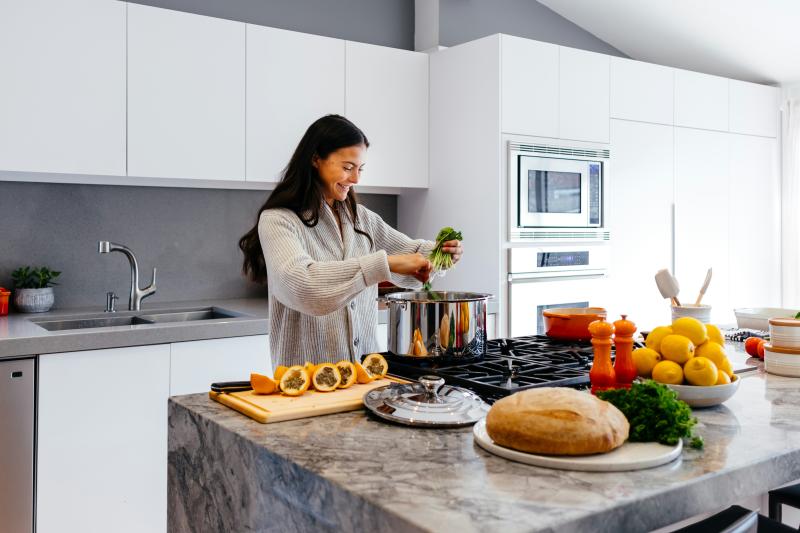
Harmful bacteria thrive in the kitchen, even when you can’t see them. The ‘Bacteria Love it Here’ campaign is about simple changes that make a big difference. From washing your hands before cooking, to storing and reheating food safely, these small actions help keep you and those around you healthy.
Whether you share a student kitchen or cook for your family at home, good food hygiene protects everyone. Join us in breaking up with bacteria: check your fridge temperature, clean surfaces, and always cook food thoroughly.
Food labelled as vegan may pose a risk to people with allergies and intolerances due to potential cross-contamination. If you, or someone you care for, has a food allergy or intolerance to milk, eggs, crustaceans, fish or molluscs, you should never assume a product labelled as vegan is safe to eat. There is still a chance of cross-contamination with these allergens as vegan food could be prepared in areas and factories where they may be present. You should always check the label to ensure it’s safe to eat.
Veganism is a lifestyle choice people can make based on a range of factors, including ethical, environmental, and nutritional. A vegan label on a food product means that no ingredients of animal origin were intentionally used in the making of the product. However, the term 'vegan' is not defined in food law, and a vegan label should not be confused with food safety labelling. Food safety labels such as 'free-from' or 'allergen-free', are a guarantee that the specified allergen is absent from the product. For example, a product labelled as 'free-from milk' is a guarantee that it will not contain milk and is safe for anyone with an allergy or intolerance to milk.
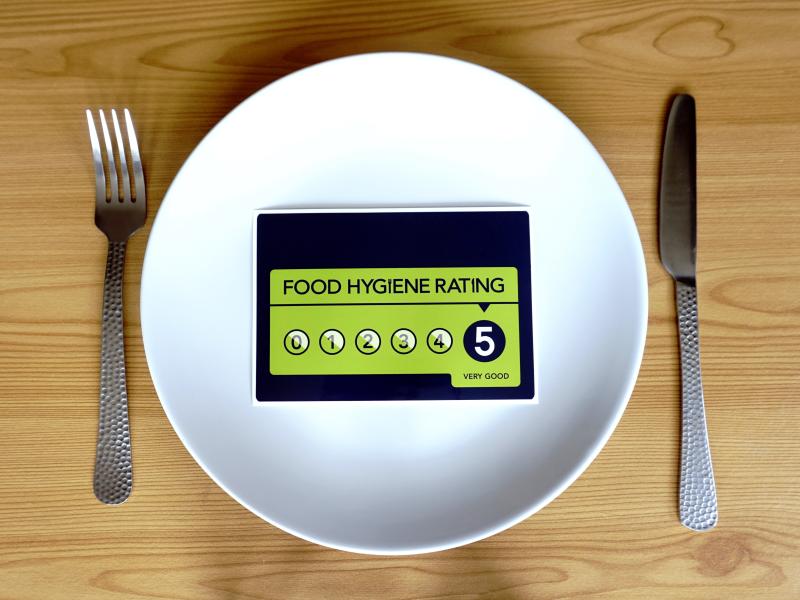
A food hygiene inspection is your opportunity to show that you and your food business comply with food law. Your local authority carries out these inspections, and they will issue you with a food hygiene rating from 0-5 after checking that: food is handled safely, equipment, facilities and the building are clean and in good condition, and controls are in place to ensure food is safe to eat.
All businesses should be able to achieve the top rating of 5.
The FSA provides training and advice to help you set up your new food business safely, register with your local authority, and prepare for your first inspection.